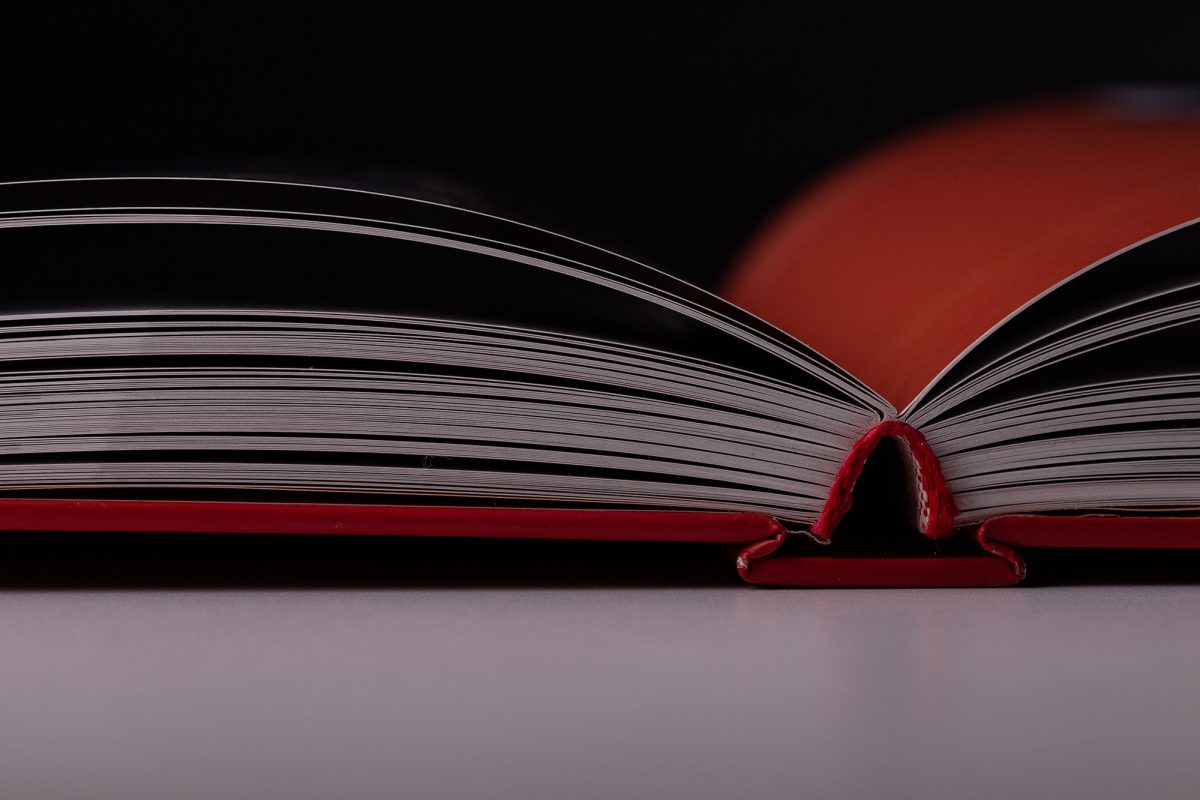
A book is a product that requires planning, i.e. defining characteristics before production. The production process includes stages from the preparation of raw materials, design, graphic preparation and printing, to final finishing.
Birograf offers all types of book finishing, including paperback, hardcover, spiral bound and decorated. With additional options such as UV coating and lamination, the books are ready for distribution and sale.
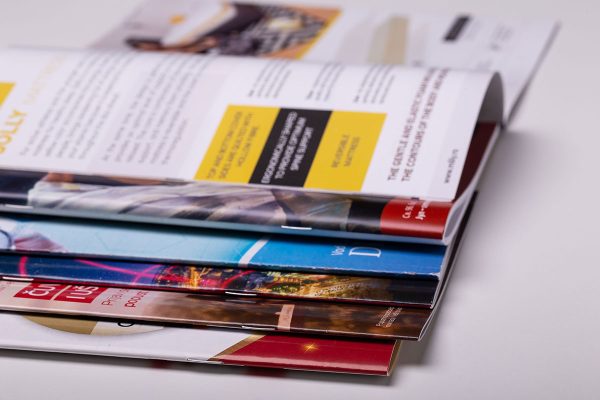
Technical characteristics that need to be defined
- Format books of profitable dimensions (eg A5, B5).
- Choose type and quality paper (matte, glossy, thickness).
- Type bandage – soft or hard
- Color prints – Black and white or color.
- Define Circulation that is, the number of copies.
Types of bindings we offer
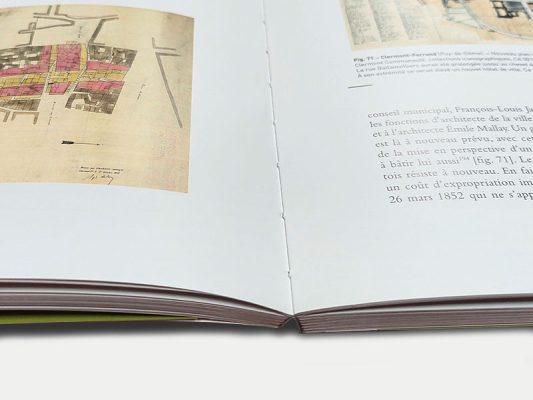
Softcover, glued

Paperback with adhesive is a method of book binding where the sheets and cover are joined together using glue, which allows for flexibility, affordability and suitability for a variety of formats.
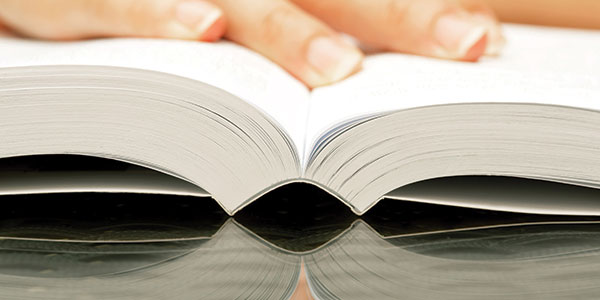
Softcover with flaps
Paperback with flaps is a type of book binding where the covers have additional flaps on the inside edges. These flaps, known as flaps, have multiple functions:
- Aesthetics: Flaps provide a more sophisticated look to the book, making it more attractive to readers.
- Practicality: Flaps are often used as markers for pages that the reader wants to remember.
- Information: Information about the author, a short description of the book, or promotional materials are usually printed on the inside of the flap.
This type of binding is often used for more luxurious paperback editions, such as novels, trade books or catalogues.
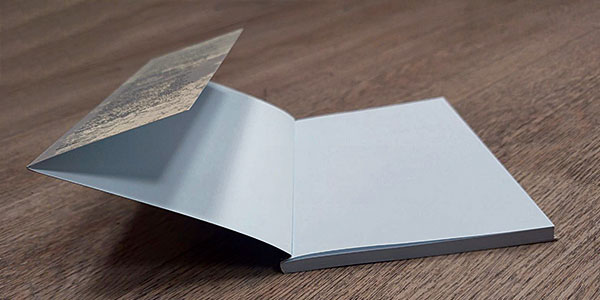
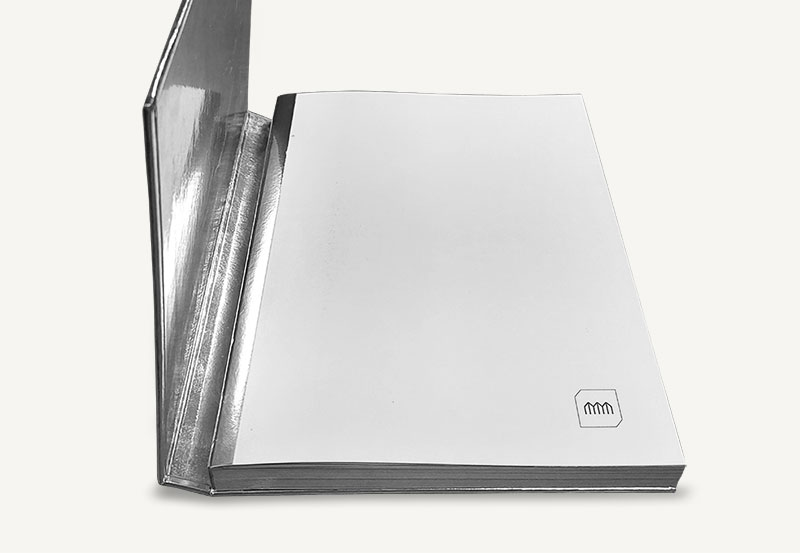
Swiss binding
Swiss book binding is a specific way of binding where the book block (the inner part of the book) is attached to the cover only on the back side, while the spine of the book remains unconnected to the cover. This allows the spine to bend and open freely, which provides more flexibility when scrolling.
The covers are often hard or semi-hard, while the spine is usually left unprotected, which often reveals the gluing or stitching of the book block, which gives an aesthetic and minimalist look. Swiss binding is used for luxury books, art monographs and other publications where a visual and tactile experience is valued.
Ota bind binding
Ota-bind binding is a specific way of binding books that allows the pages to open perfectly flat, without straining the spine of the book. With this binding, the book block is assembled by gluing or sewing, but with the addition of a special layer of glue and fabric on the spine, which allows for flexibility. A key feature is that the spine is not directly attached to the cover, allowing the book to open freely and provide a flat reading surface.
This technique is often used for textbooks, catalogs, technical manuals and other publications that require frequent use and maximum functionality. Ota-bind provides a combination of durability and practicality.
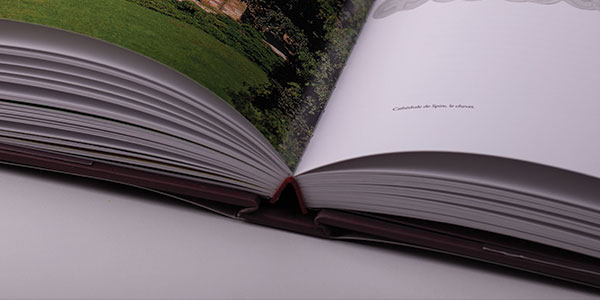
Integral binding
Integral binding is a type of book binding that combines the characteristics of hard and soft binding. In this binding, the covers are made of thicker cardstock that is flexible like a paperback, but coated with a material that gives the look and feel of a hardcover, such as laminated paper or canvas.
This type of binding offers greater durability and quality than standard soft binding, while it is lighter and cheaper to manufacture than classic hard binding. Integral binding is often used for more luxurious or high-quality publications such as catalogs, monographs and fiction.
Integral connection with flaps
Integral binding with flaps is a specific type of integral binding where flaps, i.e. folding parts, are added to the front and back covers. Flaps serve as protection and additional decoration, but also as a practical element, because they can contain additional information, such as short descriptions, biographies of the authors, or even pictures.
This type of binding combines the advantages of integral binding (which is flexible and durable) and the functionality of flaps, which gives the books a more sophisticated look and adds visual value to them. Integral flap binding is often used for books that want to leave a luxurious impression, such as monographs, catalogs, deluxe editions, or books with a rich design.
Hardcover with spine
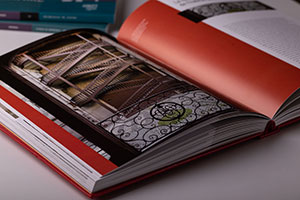
Hardcover with spine is a type of hardcover book where the cover is covered with paper, canvas, leather or similar material, and there is a fold at the ends of the cover, i.e. the flap covering the inside of the cover. This cover can be simple or decorated, and its main purpose is to provide additional protection and strength of the book, as well as to provide an aesthetically pleasing appearance.
Hardcover with a twist gives books a luxurious and professional look and is often used for deluxe editions, monographs, fiction and other high-quality publications. Also, the insert can contain additional information such as design, publisher's logo or other graphic elements.
Wire binding
Binding with wire can be binding with spiral wire or stapler, where both methods of joining the pages enable the stability and strength of the book.
Spiral binding uses a spiral metal wire to connect the pages, making the books more flexible and allowing them to be opened and flipped easily. This binding is most commonly used for spiral notebooks, notebooks, notebooks and other publications that require frequent use and easy page turning.
Staple binding uses a metal clip used to bind a small number of pages, usually in the form of brochures, technical manuals or smaller publications. This type of binding is practical and economical, but it is used for works that do not require a very permanent construction.
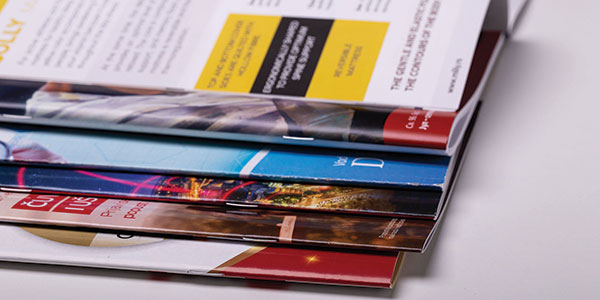
After the definition and acceptance of the offer, we will make a trial copy, that is, a test print before mass production.
Printing capacity of BiroGRAF printing house
Birograf printing house has many years of experience in printing books, and thanks to the advanced production facility, it can fulfill even the most demanding orders.
Send an inquiry
If you have any requests or questions regarding the press, please feel free to contact us via the contact form on the right.
We will try to answer you as soon as possible, help and provide the necessary information.
Kind regards,
BiroGRAF team
Latest news
See the latest information about our services, projects, achievements and developments in the world of printing.
See all news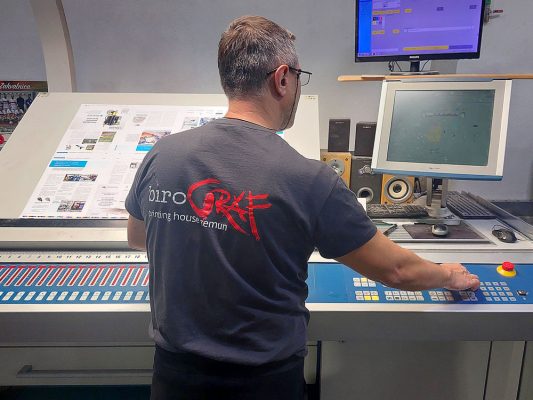
Join the team - open positions in commercial and production
Looking Back and Forward: The Printing Industry in 2024 and Expectations for the 2025 Book Fair.
19
February
February
Revolution in the printing industry: Innovations and sustainable trends in Europe and Serbia
The printing industry in Europe and Serbia is going through exciting changes, bringing innovations that shape the future [...]
17
February
February

How to choose the right printing house for your business
A guide for entrepreneurs who want to choose the right printing house
12
Jan
Jan
Personalized Printing: The Future of Marketing
Read how personalized printing helps in marketing campaigns.
30
New
New
The beginning and development of offset printing
Offset printing has come a long way from its beginnings to today, remaining one of the most reliable [...]
19
New
New
10 tips for efficient brochure and catalog printing
Printing brochures and catalogs is a key part of any company's marketing strategy. Quality printing contributes to a better [...]
29
Oct
Oct